Classrooms are changing across the world. The old model feels limited. Students once sat in rows and listened. Now learning feels active and alive. Teachers seek deeper engagement every day. Attention spans often drift in silent rooms. Educators rethink lesson design with care. The goal is real understanding and lasting curiosity. Technology and creativity now shape daily instruction.
Redefining Student Participation
Traditional lectures place students in passive roles. They copy notes and memorize facts. But curiosity fades without involvement. Real learning requires action and reflection. Students learn best through experience. They test ideas and observe results. This process builds strong mental links. The classroom becomes a lab of discovery. Teachers guide inquiry rather than deliver content. As a result, learners take ownership of ideas. Engagement grows when lessons feel relevant. Energy shifts from teacher to student. Now participation drives deeper comprehension.
Technology as a Learning Catalyst
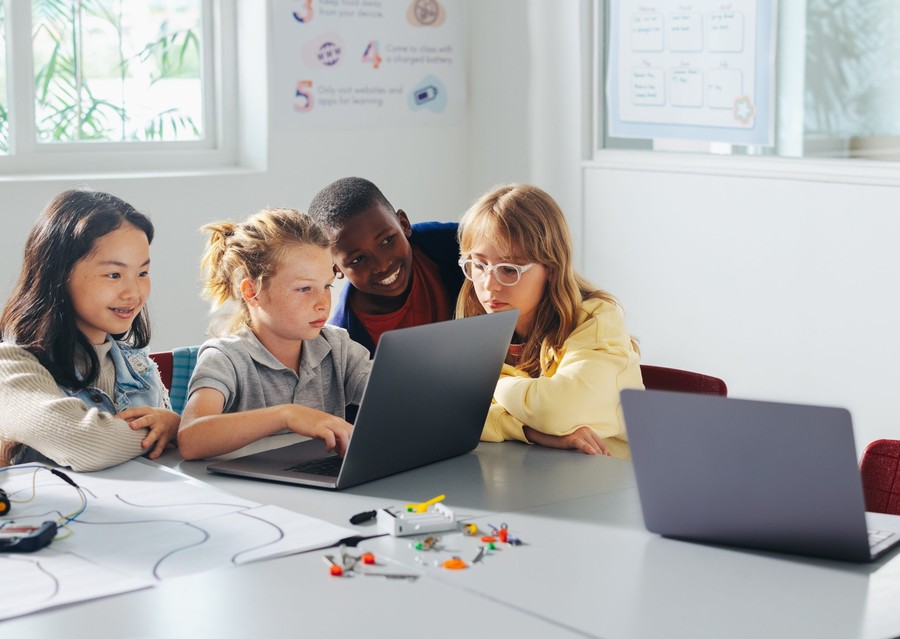
Digital tools expand classroom possibilities. Simulations recreate complex scientific systems. Students explore chemical reactions safely. They adjust variables and see outcomes. This builds analytical thinking skills. Sometimes traditional labs limit experimentation. Virtual platforms remove those limits. Learners test bold hypotheses freely. Mission.io designs immersive science missions for schools. The platform turns lessons into adventures. Students solve problems in teams. Collaboration strengthens communication and reasoning. Teachers track progress in real time dashboards. Feedback becomes immediate and actionable. The learning cycle feels dynamic and responsive.
Building Critical Thinking Through Experience
Hands on activities strengthen conceptual clarity. Students connect theory with practice. They ask better questions each day. Inquiry drives deeper cognitive processing. The brain retains active experiences longer. Knowledge feels meaningful and durable. Mission.io integrates narrative challenges into curricula. The storyline sustains focus across sessions. Learners analyze data and interpret evidence. Mistakes become valuable learning moments.
The Role of Gamified Learning
Gamification introduces structure and motivation. Clear goals sharpen student focus. Rewards encourage steady effort. But purpose matters more than points. Well-designed systems emphasize mastery. interactive science lessons combine challenge with exploration. Students move through missions with intent. The structure supports inquiry-based instruction.
Equity and Access in Modern Science Education
Access shapes educational outcomes deeply. Some schools lack lab resources. Digital platforms reduce those gaps. Every student explores complex concepts. Interactive environments provide equal opportunities. Visual models clarify abstract ideas quickly. Language barriers become less restrictive. Sometimes shy students find confidence online. Participation broadens across ability levels. Teachers monitor engagement through clear metrics. Instruction adjusts to individual progress patterns. The learning experience feels inclusive and fair. Communities see improved academic confidence. Interest in science careers expands steadily.
Conclusion
Interactive science instruction transforms classroom culture. Students become active investigators. Teachers become facilitators of discovery. Engagement replaces passive listening habits. Technology supports meaningful exploration daily. Mission.io contributes structured immersive experiences. Schools witness measurable growth in motivation. Learning feels purposeful and collaborative.