

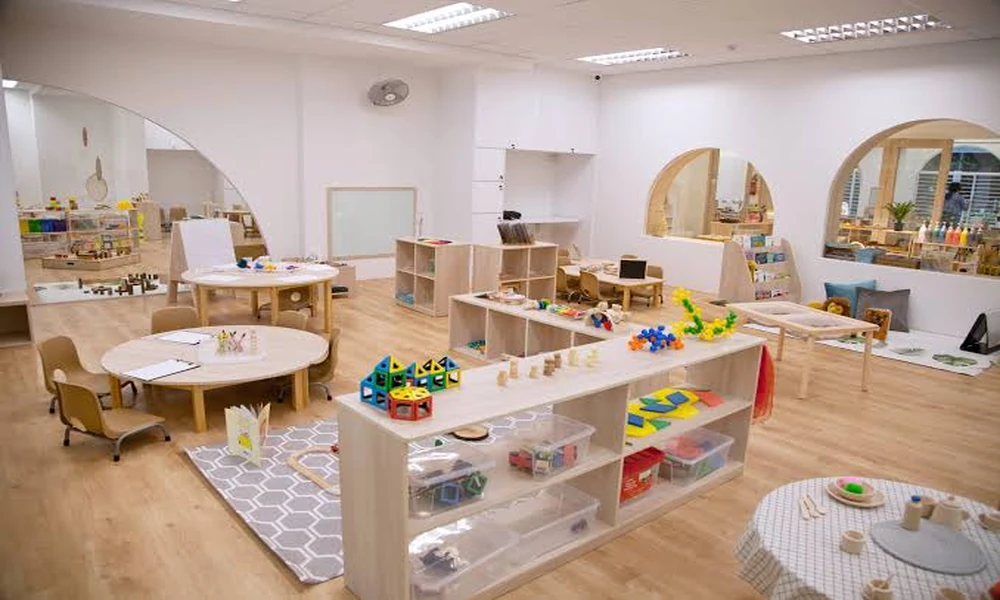
A practical checklist for childcare centres on choosing, cleaning, rotating, supervising and storing sensory play materials, with a simple activity planning template.
Why sensory materials need their own checklist
Sensory materials have a harder life than most classroom resources. Within a single morning they are squeezed, poured, mouthed, passed between many hands and dropped on the floor. Hygiene, safety and storage therefore need daily attention.
The main benefits of sensory play are familiar to most educators. It invites exploration, gives children fine motor practice and creates easy openings for talk about texture, temperature and change. Children get those benefits consistently only when the routines behind them are consistent too. A sensory play materials checklist for childcare centres helps a team agree on those routines, so they don’t rest on one educator’s memory.
Choosing materials: washable, durable and age-appropriate
The choices you make at selection affect every later step. A material that cannot be cleaned properly becomes a hygiene problem. One that breaks easily becomes a safety check staff have to repeat every day.
- Prefer non-porous, wipeable or machine-washable surfaces.
- Read the manufacturer’s age labelling and small-parts warnings, and take extra care with anything intended for children under three.
- Avoid materials that crumble, shed fibres, or absorb water and cannot be dried thoroughly.
- Confirm that the supplier describes dyes, paints and coatings as non-toxic, and keep that information on file.
- Keep infant and toddler items separate from resources for older children.
Comparing a few suppliers side by side makes these checks easier. Educators can look through listings such as CPS-Toys’ sensory play range to see what kinds of washable resources are available. They can then check each item’s labelling against the points above before ordering.
Cleaning and hygiene routines
Cleaning works best when it is scheduled, because jobs left to whoever notices tend to be missed. Singapore’s humidity adds a specific risk: items put away damp can grow mould within days.
- Wipe or wash items after each session in which they have been mouthed.
- Schedule a deeper clean once a week for all items in use.
- Air-dry everything fully before it goes back into a tub.
- Replace consumable fillers such as water, rice, sand or dough on a fixed timeline, and record the date.
- Remove cracked, torn or sticky items from use straight away.
For cleaning products, dilutions and contact times, follow your centre’s existing hygiene policy and current ECDA guidance. Staff should work from those documents rather than from a figure remembered from somewhere else.
Rotation: keeping interest up without adding clutter
Putting out too many tubs at once crowds the shelves, adds to the cleaning load and makes play less focused. Rotation keeps a small selection in use while the rest stays in storage.
- Group materials into themed bins, such as water and pouring, natural objects, or textures and fabrics.
- Rotate bins weekly or fortnightly, depending on your curriculum cycle.
- Limit how many tubs are out in each room at one time.
- Keep a simple log of what was used, with which age group, and what children did with it.
Rotation also sets the timing for deep cleaning. Any bin coming out of use gets a deep clean and a full dry before storage, so it is ready the next time its theme comes round. Linking bins to curriculum themes such as weather, food or festivals makes planning quicker for the whole team.
Supervision and safety during play
Sensory sessions need closer attention than many other activities, particularly when they involve water or small items. Before the tubs are opened, staff should know where to stand and what to watch for.
- Position staff so they can see every child at the sensory table, including those at the far end.
- Assign an adult to watch water play and small-item play throughout the session.
- Agree clear rules for children still at the mouthing stage, including which materials they do not use.
- Check allergy records before using food-based materials such as flour, pasta, oats or rice.
- Lay down mats or towels and wipe spills quickly to reduce slip risks.
- Inspect materials before each session for cracks, loose parts or leaks.
Confirm each of these points against your centre’s own staffing ratios and risk assessments. The checks add to existing policy and do not replace it.
Storage: labelled, ventilated and easy to reset
Good storage shortens set-up time and protects the cleaning work already done. It also makes it obvious when an item is missing or overdue for a wash.
- Use clear, lidded tubs labelled by theme and age group.
- Store washed items somewhere dry and ventilated.
- Keep a separate, clearly marked bin for items waiting to be cleaned.
- Match storage height to who is allowed access. Free-choice items can go on children’s shelves, and materials that need supervision can go higher up.
- End each day with a short reset: tubs closed, labels facing out, and the cleaning bin emptied or handed over.
A five-minute reset at the end of the day means the next session can start straight away, without staff hunting for materials.
Planning sensory activities and a printable checklist
A simple weekly plan keeps sensory play purposeful and helps staff prepare. Record each activity on a single line or card with these fields:
- Learning focus: for example, describing textures or practising scooping and pouring.
- Materials: the specific bin or items used.
- Age group: plus any adjustments for younger children.
- Supervision needs: who leads the session and where they stand.
- Clean-up plan: what is washed, what is discarded and who does it.
- Observation notes: what children did, said or asked.
Over a term, these notes show which materials hold children’s interest and which need replacing.
Condensed checklist
Selection
- [ ] Washable or wipeable, and non-porous where possible
- [ ] Age labelling and small-parts warnings checked
- [ ] Supplier’s non-toxic description on file
- [ ] Infant and toddler items kept separate
Cleaning
- [ ] Mouthed items cleaned after each session
- [ ] Weekly deep clean completed
- [ ] Items fully dried before storage
- [ ] Fillers replaced on schedule and damaged items removed
Rotation
- [ ] Limited number of bins out per room
- [ ] Bins rotated on a set cycle
- [ ] Usage log updated
Supervision
- [ ] Staff positioned with clear sight lines
- [ ] Allergy records checked for food-based materials
- [ ] Pre-session inspection done and spill mats in place
Storage
- [ ] Tubs labelled by theme and age group
- [ ] Washed items kept apart from items awaiting cleaning
- [ ] End-of-day reset completed
Resources
- Your centre’s hygiene policy, risk assessments and staffing procedures
- Current ECDA guidance on health, hygiene and safety in early childhood settings
- Manufacturer labelling and product safety information for each item
- A catalogue of educational toys from CPS-Toys, useful when building or refreshing rotation bins
Print the checklist and keep a copy near the sensory storage area. Review it as a team at the start of each term, and update it whenever your centre’s policies change.
